VideoGen coupon code searches usually mean you want to generate short, editable videos faster without paying full price. As of March 2026, I couldn’t confirm a public, sitewide code published on VideoGen’s official pages, so this guide focuses on savings you can verify in your account: choosing Pro vs Business based on features you’ll actually use, switching to yearly billing when the workflow sticks, and applying a promo only when it visibly changes your total. I’ll also cover where to enter a promotion code, why it fails, and simple ways to keep your cost per video predictable.
-
Reviews
-
Last Used
-
Date Ends
-
Type
-
country
-
Date Added
As of March 2026, a VideoGen coupon code is hard to treat as “public and always-on,” so this page sticks to savings you can verify on the official pricing and help pages—before you pay. You’re a creator turning scripts into shorts on a deadline.
You’re a marketer converting blog posts into video ads.
You’re an educator packaging lessons into quick explainers.
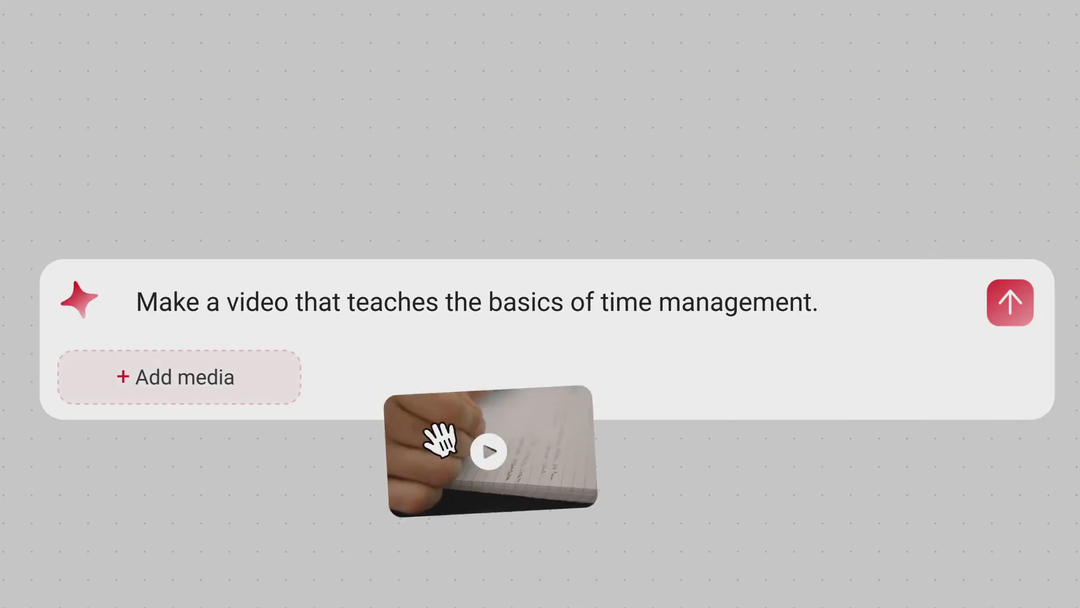
Your checkout may differ. This isn’t magic—pricing + policy. Here’s the boring truth, and it matters. No fluff, just checks. Micro-check: VideoGen’s help center describes an upgrade flow with an “Add Promotion Code” step before you apply a code. Micro-check: VideoGen’s help center says payments are processed securely through Stripe. If the checkout template changes, this may change.
VideoGen coupon code status
Coupon pages love certainty, but software pricing rarely works that way. As of March 2026, I couldn’t verify a universally published VideoGen coupon code on official pages, so treat any third-party code string as unverified until it changes your total in the official flow. Start from the official upgrade buttons first.
Best for: people who need to generate short videos quickly from a brief, then tweak the edit (media, voiceover, captions) inside one browser-based editor.
Not ideal for: teams that only create video a few times per quarter, or anyone who needs frame-by-frame cinematic control like a full NLE workflow.
Check with a professional first if: you’re producing regulated ads (finance, medical, legal) or client work that requires formal rights review and strict brand compliance.
I first assumed the biggest savings would come from finding a public code, then realized VideoGen’s official pages put the real levers in plain sight: plan tier, yearly billing, and what happens when you cancel.
Skip the rumor codes. If a discount doesn’t show in the order summary, it doesn’t count—no matter how confident a coupon site sounds.
Best ways to save
The simplest way to spend less is to buy only what you’ll use this month. VideoGen’s pricing is tiered, and the feature differences are meaningful—so “cheapest” can be a trap if it forces rework or limits a feature you need for your workflow.
- Start free, then upgrade only after a real test: generate a full video from a brief, export it, and see if it’s close enough to publish with minor edits.
- Choose Pro if you don’t need advanced generation features: Pro is positioned around unlimited exports, generative images, and Pro workflows, with “unlimited fair-use” AI usage limits.
- Choose Business only if you’ll use the extras: Business adds items like generative video clips and AI avatars, plus priority access and higher storage, which matters if you’re producing in volume.
- Go yearly only when usage is steady: yearly billing can lower your effective monthly cost, but it’s only a win if VideoGen becomes part of your weekly routine.
- Time paid months to your content sprints: upgrade during campaigns, launches, or exam weeks—then reassess when the calendar slows down.
Proof always beats promo hype online, period. One practical habit is to track your “cost per publishable video” instead of your subscription price: if you create four videos in a month and two are usable, that’s the metric that should drive your tier choice.

Rule of thumb: if you’ll publish video at least once per week, annual billing usually makes sense; if your usage is bursty, stay monthly until you’ve proven the habit.
Want to check today’s plan options quickly? Use this VideoGen link and compare tiers against your next 30 days of deliverables.
How to apply a promo
If you received a legitimate promotion directly from VideoGen (email, partner, or dashboard banner), keep the process simple: apply it once, confirm the total changes, and save proof. Use the trial like real work, not a demo.
- Log in to your VideoGen account and click the upgrade/plan button in your dashboard.
- Pick the plan and billing cadence (monthly vs yearly) you actually want.
- Click the option to add a promotion code, enter it exactly (no extra spaces), then apply.
- Confirm the discount is reflected in the subscription total before you pay.
- Save the receipt email and add a renewal reminder to your calendar.
If it won’t apply cleanly, move on. You’ll usually save more by right-sizing the plan than by wrestling with a targeted code.
Code fail checklist
Most promo failures are boring: eligibility, tier mismatch, cadence mismatch, or formatting. Keep receipts and reminders.
- The code is limited to new subscribers, but your account has prior billing history.
- The promo targets yearly billing, but monthly is selected (or the other way around).
- The discount applies only to a specific tier (for example, Pro vs Business).
- Copy/paste added a hidden space, or the code is case-sensitive.
- The offer is tied to a specific link or campaign and won’t apply in a different checkout path.
- The promotion expired or hit a redemption cap, even if a coupon site still lists it.
When troubleshooting, change one variable at a time—billing cadence first, then tier, then browser/device—so you can see what actually fixed it.
Pricing, tiers, and cancellation reality check
VideoGen’s official pricing page lists three main routes: Pro, Business, and Enterprise (custom). As of March 2026, Pro is shown at $12 per user/month billed yearly, and Business at $74 per user/month billed yearly, with Enterprise priced via sales. Pro focuses on core creation plus Pro workflows, while Business adds advanced features (like generative video clips and AI avatars), higher storage, and priority usage.
Also pay attention to how VideoGen frames usage limits. The pricing page describes “dynamic fair-use AI limits” that can adapt to demand, including potential short cooldowns during busy times, with higher tiers getting priority access. That means the “best value” plan is the one that matches your throughput expectations, not just the one with the lowest sticker price.
On policy, VideoGen’s Terms state purchases are non-refundable, and that you can cancel your subscription at any time; cancellation takes effect at the end of the current paid term. That’s why the safest savings strategy is behavioral: test, decide, and don’t let a plan run during idle months.

Ship fast, then iterate weekly with data. If you can’t point to a recurring use case (weekly shorts, monthly campaign ads, internal training videos), keep the plan small until that pattern exists.
Seasonality
Video tools can show promo spikes around creator-heavy periods (holiday campaigns, Black Friday, back-to-school marketing), but you shouldn’t plan your budget around a coupon that might never be public. A better approach is to plan around your own production calendar: upgrade during the months when you’ll actually export and publish, then reassess when the workload drops.
If you’re an agency or team, seasonality often matches client launches. If you’re solo, it matches your posting cadence. Either way, the cleanest savings lever is aligning your paid tier to your highest-output window and avoiding “subscription drift” in quiet weeks.
Alternatives
If VideoGen doesn’t fit your workflow or budget, compare alternatives using the same test brief so the evaluation is fair. Focus on editing control, export quality, and how quickly you can get to a publishable cut.
- Pictory: script/article-to-video workflows with templated editing.
- InVideo: template-heavy creation with AI assist and lots of stock options.
- Kapwing: a browser editor with collaboration and quick formatting tools.
- Descript: text-based editing for audio/video, strong for podcast-to-clips workflows.
- Canva: fast social video creation when brand templates matter most.
The “best” choice is the one you’ll actually use weekly without fighting exports, layouts, or licensing confusion.

FAQs + operator notes
Q: Is there a public VideoGen coupon code right now?
A: As of March 2026, I couldn’t verify a universally posted code on VideoGen’s official pages. Treat third-party codes as unverified until the official order summary total changes.
Q: Where do I enter a promotion code?
A: VideoGen’s help center describes applying a promo inside your dashboard upgrade flow, where you can add a promotion code and apply it before checkout.
Q: What’s the safest way to save without a code?
A: Start free, pick the smallest plan that matches your real output volume, and switch to yearly billing only after you’ve proven weekly usage.
Q: Does VideoGen offer a free trial?
A: VideoGen’s Terms say a free trial may be offered to new users at their discretion, with no charges during the trial and an automatic upgrade to paid unless canceled.
Q: What should I know about refunds and cancellation?
A: The Terms state purchases are non-refundable, and cancellation takes effect at the end of the current paid term—so use a renewal reminder and cancel early if you’re unsure.
Q: Which tier should I choose—Pro or Business?
A: Choose Pro for core creation and workflows; choose Business if you’ll actually use advanced generation features like video clips/avatars and need priority access and higher storage.
Operator notes: Last checked: March 2026. Verified on official sources: plan tiers and posted “billed yearly” pricing (Pro/Business/Enterprise), the note about dynamic fair-use limits and cooldowns, the help-center steps for applying a promo code (“Add Promotion Code”), accepted payment methods and Stripe processing, and Terms language for free trial (discretionary), auto-upgrade after trial unless canceled, cancellation-at-end-of-term, and non-refundable purchases. Not verified: any third-party coupon strings, any “limited-time” countdown claims from coupon sites, or whether every region/account variant shows the same promo entry UI.
