Pixelcut coupon code searches usually happen when you want cleaner product photos and marketing creatives without paying full price or trusting sketchy “verified” strings. As of March 2026, I couldn’t confirm a universal, always-on public code on Pixelcut’s official pricing flow, so the most reliable savings come from official billing options and plan fit.
If you sell on Shopify/Etsy, batch listings for a small brand, or need fast background removal and upscale for ads, the guide below shows safe ways to save, how to apply a promo when you actually have one, and what to do when a code fails.
-
Reviews
-
Last Used
-
Date Ends
-
Type
-
country
-
Date Added
As of March 2026, this Pixelcut coupon code guide is for people who want savings that survive a second look. Etsy seller prepping product photos at scale
Shopify brand owner rebuilding listing images
Social marketer batching creatives for ads
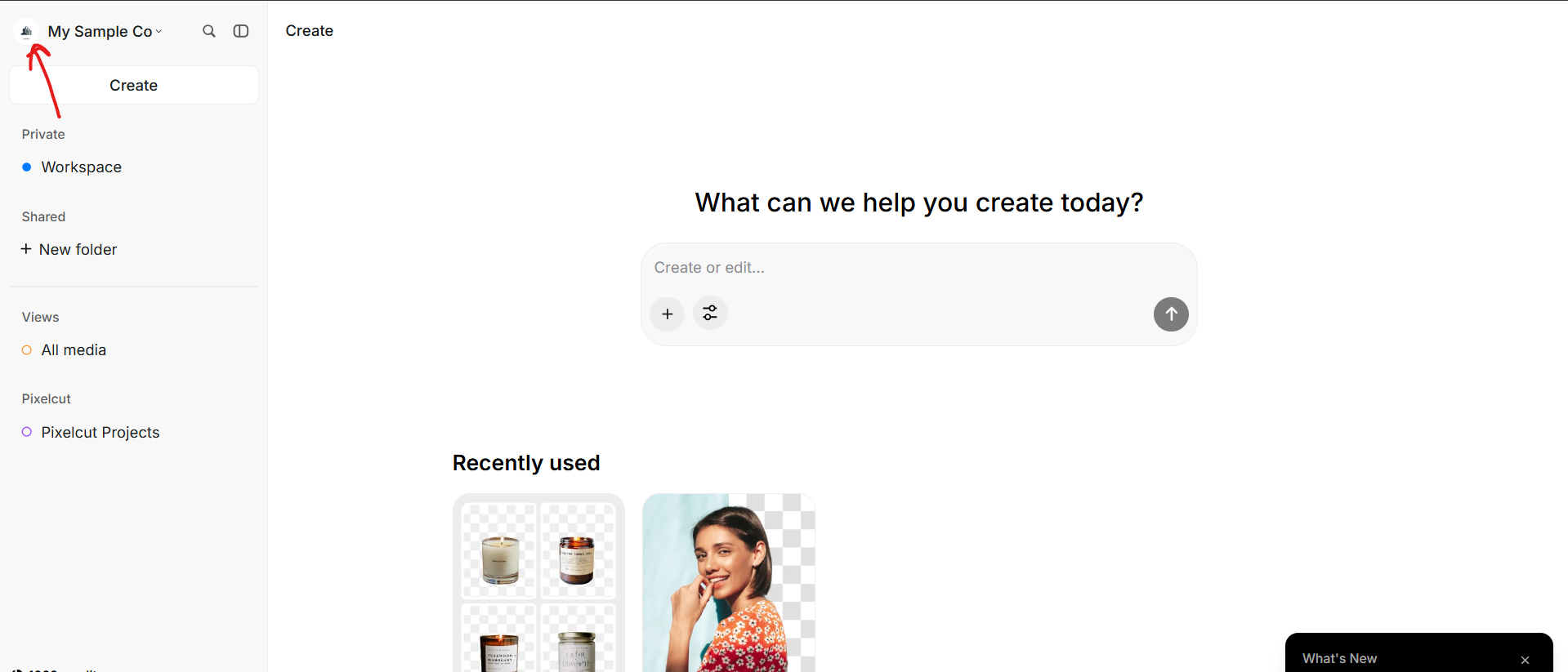
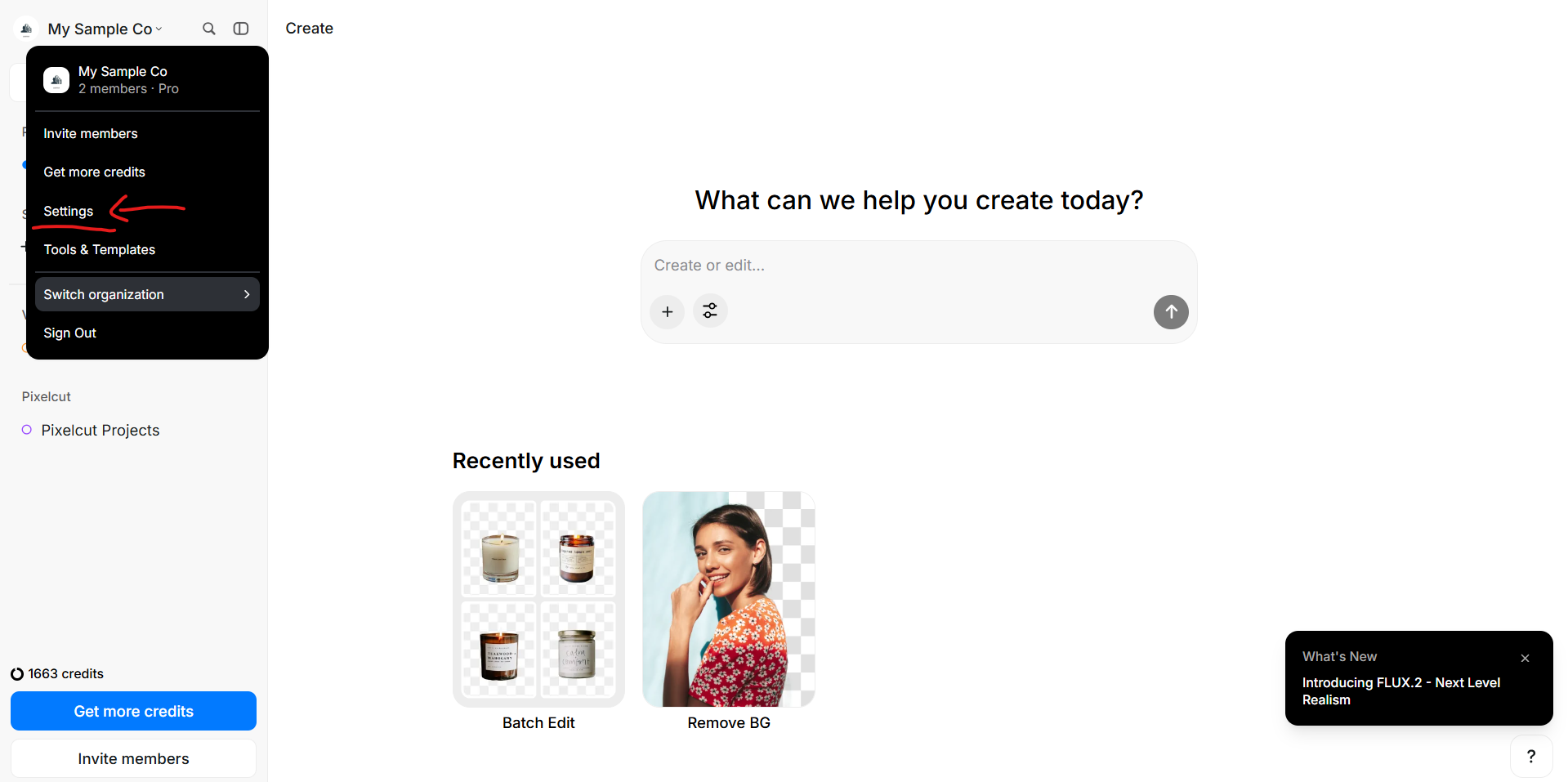
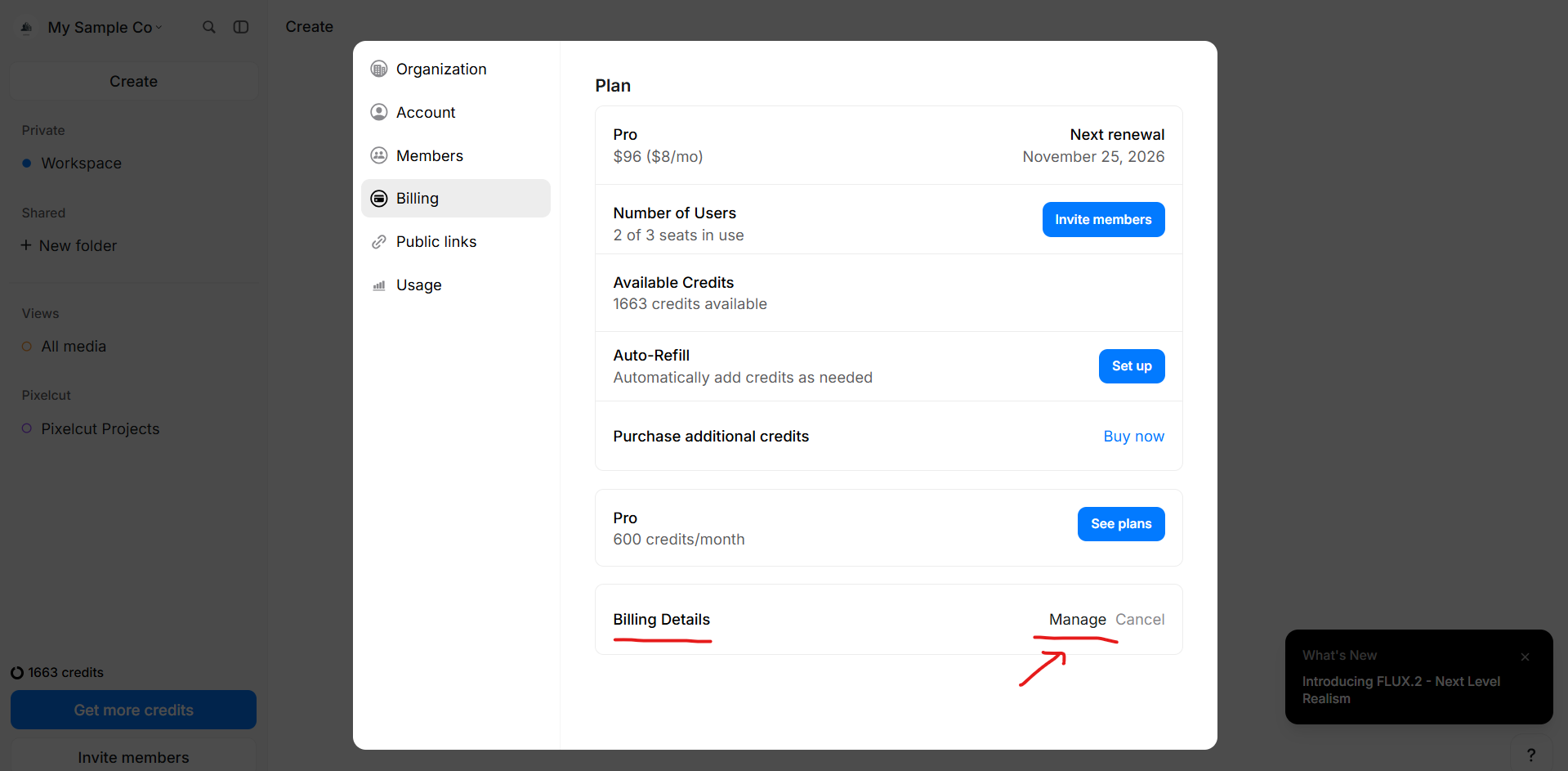
Your checkout may differ depending on whether you upgrade on the web or through the app stores. This isn’t magic… pricing + policy. Here’s the boring truth you can actually verify: the pricing toggle calls out “Save 20% with a yearly plan,” and the web cancellation flow opens a Stripe page where you click “Cancel Subscription.” If you want a consistent path to compare what’s available right now, use this Pixelcut deal link and then confirm the final total on the official checkout screen.
Pixelcut coupon code status
Pixelcut is best known for fast background removal, upscaling, and batch-ready edits for product photos and marketing creatives. If you’re searching “Pixelcut coupon code,” you probably want one of two outcomes: a lower first invoice or a lower ongoing cost once you know the tool fits.
No fluff, just savings.
As of March 2026, I couldn’t confirm a single, sitewide coupon that’s publicly promoted as always available to everyone. That doesn’t mean discounts never exist; it means legit promos are usually campaign-based (or partner-based) and come with eligibility rules that change. Start with official buttons. Discounts come and go; your workflow stays.
Best for: ecommerce sellers and small teams who need consistent product imagery (background removal, upscale, clean exports) and want a repeatable batch workflow.
Not ideal for: one-off users who edit a single image every few months, or teams expecting “buy once, done forever” licensing.
Check with a professional first if: you work with client brand assets under strict contracts, you must follow platform ad policies, or you need sign-off on how edited product images should be represented.
Rule of thumb: buy the smallest plan that supports your real weekly output, then upgrade only when you’re consistently hitting the ceiling on saved time or delivered creatives.
Best ways to save (no-code)
Start by making your costs predictable. You’ll usually save more by avoiding wasted work than by chasing a mystery code that may not apply to your plan. Screenshots lie, so keep receipts and emails together.
- Run a real pilot first: edit 20–50 real product photos, export them, and measure time saved versus your current workflow.
- Batch on purpose: set a weekly “image sprint” so you’re not paying for idle time and context switching.
- Standardize a house style: consistent background, shadow rules, and crop ratios reduce rework across marketplaces and ads.
- Keep inputs clean: better source photos reduce retries and make background removal more reliable.
- Commit longer only after proof: yearly billing can be cheaper when you already know you’ll keep shipping assets.
Math beats marketing, always. If you want the quickest sanity check, track one number for two weeks: cost per finished image you actually publish. When that number looks stable, longer billing becomes a budget decision instead of a gamble.
How to apply a promo (steps)
If you have a legitimate Pixelcut promo from an official email, a partner offer, or an in-app message, apply it during upgrade/checkout and verify the final total before you confirm payment. If the checkout template changes, this may change. If a code feels random, treat it as unconfirmed.
- Start from the official site or a verified partner path so the promo attaches to the right account.
- Select your plan and billing cadence first because many promos apply only to certain tiers or yearly billing.
- Enter the code exactly as provided and confirm the discount shows in the order summary before you pay.
- Save proof by keeping the invoice/receipt and the promo source (email or landing page) for renewal comparisons later.
Code fail checklist
When a promo fails, it’s usually an eligibility rule—not a typo. Start from official buttons, then work outward.
- Plan mismatch: the promo applies only to a specific tier or excludes certain bundles.
- Billing cadence mismatch: annual-only promos won’t apply on monthly checkout (and vice versa).
- Account status rules: new-customer-only or first-payment-only restrictions block many codes.
- Non-stackable pricing: partner pricing or existing discounts may prevent stacking a second offer.
- Expired campaign: short promo windows and redemption caps are common.
- Wrong source: third-party “verified” lists often publish codes without terms or eligibility details.
If you received the promo from an official source and it still fails, ask support which eligibility rule is blocking it. That one answer is more valuable than trying ten random strings.
Pricing/bundles + refund/trial reality check
Pixelcut’s web pricing flow currently routes through a pricing page that notes yearly savings and also highlights that billing is handled through Stripe for web subscriptions. Practically, that means there are usually two separate “realities” you should plan for: web billing (managed in your account billing area) and app-store billing (managed by Apple/Google).
I first assumed refunds would work the same everywhere, then realized Pixelcut’s help center separates refunds by purchase channel: App Store refunds are handled by Apple, Google Play refunds are handled by Google, and website purchases can be handled more directly by Pixelcut support. That’s why your safest move is to decide which channel you’re buying through before you commit—then keep the receipt and policy link in the same folder as your invoice.
On cancellations, Pixelcut’s help article states you can cancel anytime and still retain access until the end of your billing period, with separate steps for iOS, Android, and web. If your goal is “try it and decide,” monthly billing is usually the lowest-risk way to validate your workflow before you commit longer.
Want a clean comparison path before you upgrade? Check Pixelcut offers here, then compare the plan you picked against your real workload (how many images you’ll publish per week) rather than your aspirational workload.
Seasonality
Promos can pop up, but your busiest seasons are usually predictable. If you sell online, your cost spikes happen when your workload spikes: product launches, holiday promotions, and catalog refreshes.
A practical strategy is to time your evaluation to a real sprint. Upgrade when you’re about to process a batch of new listings or creatives, not when you’re idle. That way you’ll know quickly whether Pixelcut saves enough time to justify the subscription at the standard renewal price.
Alternatives
If Pixelcut isn’t the right fit, compare alternatives with the same test set: 30 product photos, the same background style, and the same export requirements. The winner is the tool that produces publishable images with the least rework.
- Canva Pro for template-driven product creatives and quick edits.
- PhotoRoom for background removal and product-focused workflows.
- Adobe Express for quick brand creatives and social exports.
- Remove.bg for simple background removal at scale.
- Figma + plugins if your team already designs in Figma and needs repeatable layout production.
FAQs + operator notes
Q: Is there a Pixelcut coupon code that always works?
A: As of March 2026, I couldn’t confirm a universal, always-on public code. Treat codes as campaign-based, and rely on plan fit and billing cadence for predictable savings.
Q: What’s the safest way to save if I don’t have a code?
A: Batch your edits, standardize your style, and start with the smallest plan that matches your real output. Move to yearly billing only after your workflow is stable.
Q: Where do I enter a promo code?
A: Usually during upgrade/checkout. If you don’t see a promo field, you may be on a different purchase path (web vs app store) where discounts are applied differently.
Q: Can I cancel anytime?
A: Pixelcut’s help center says you can cancel at any time, and you’ll keep access until the end of your current billing period; the steps differ for iOS, Android, and web.
Q: How do refunds work?
A: Pixelcut’s refund article separates refunds by channel: Apple handles App Store refunds, Google handles Google Play refunds, and website purchases can be handled more directly through Pixelcut support.
Q: What should I save for “proof” if billing gets confusing later?
A: Save the invoice/receipt, the plan name, your renewal date, and any promo terms email you used at checkout. Those documents settle most disputes quickly.
Operator notes: Last checked: March 2026. Verified on official Pixelcut/Pixa pages: the yearly savings note on the pricing toggle, and the web cancellation flow that routes through a Stripe billing portal with a “Cancel Subscription” button. Verified in Pixelcut help docs: cancellation keeps access through the end of the billing period and refund requests vary by purchase channel (Apple/Google versus website support). Not verified: any third-party “working code” lists or coupon strings that aren’t published by Pixelcut/Pixa.
